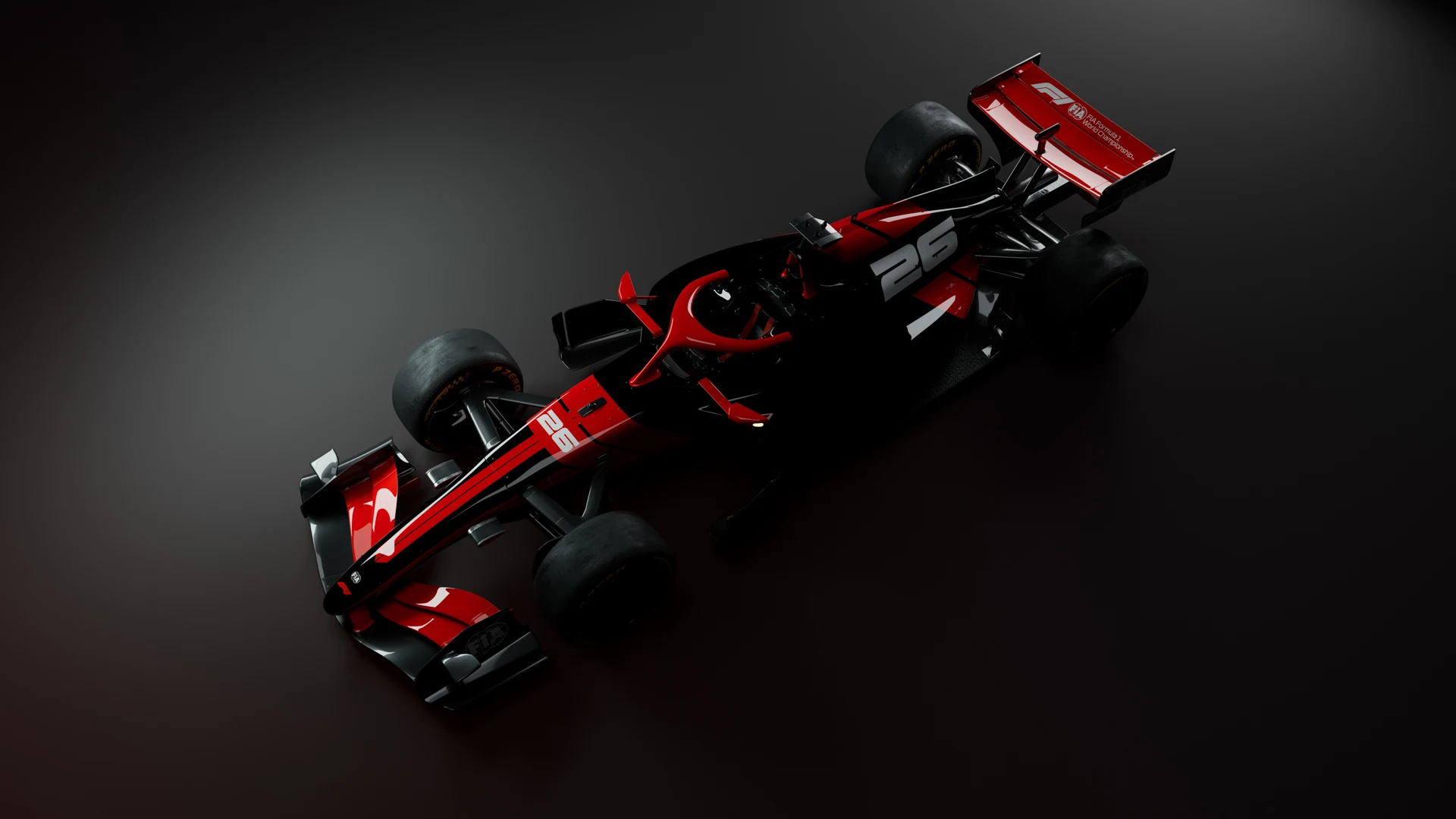
The 2026 Formula 1 season will introduce significant regulatory changes aimed at enhancing competition, sustainability, and technological innovation. These updates are designed to create a more exciting and environmentally friendly racing environment, while also addressing safety and cost concerns.
One of the most notable changes is the overhaul of the power unit regulations. The new engines will feature a 1.6-liter V6 hybrid turbocharged design with increased electrical power output, promoting more efficient energy recovery systems. This shift aims to reduce emissions and improve fuel efficiency, aligning with F1's commitment to sustainability.
Additionally, the technical regulations for aerodynamics will be revised to promote closer racing. The new rules will limit the complexity of front and rear wings, reducing the aerodynamic wake that causes turbulence and makes overtaking difficult. This change is expected to enhance overtaking opportunities and overall race competitiveness.
Another major aspect of the 2026 regulations involves cost control measures. The introduction of standardized parts and components aims to reduce the financial burden on teams, making the sport more accessible and competitive. These measures include restrictions on certain materials and manufacturing processes, encouraging innovation within set boundaries.
Furthermore, the sporting regulations will see adjustments to race formats and points systems to increase excitement and viewer engagement. These include potential changes to sprint race formats and the implementation of new qualifying procedures to ensure more strategic variability during race weekends.
Safety remains a top priority, with new crash barriers, improved cockpit protection, and enhanced safety protocols being introduced. These measures are designed to protect drivers during high-impact incidents and improve overall track safety standards.
Overall, the 2026 Formula 1 regulations aim to balance technological advancement, environmental responsibility, cost management, and entertainment value. Teams, drivers, and fans alike can expect a more dynamic and sustainable racing series, setting the stage for a new era in Formula 1 history.